
Originally published 2026-02-02 · Cyclone Bolt
Refineries are the heart of the energy industry. They are also complex environments where high pressure and extreme temperatures are the norm. In these facilities, every joint and connection must be perfect. A single failure can lead to an environmental disaster.
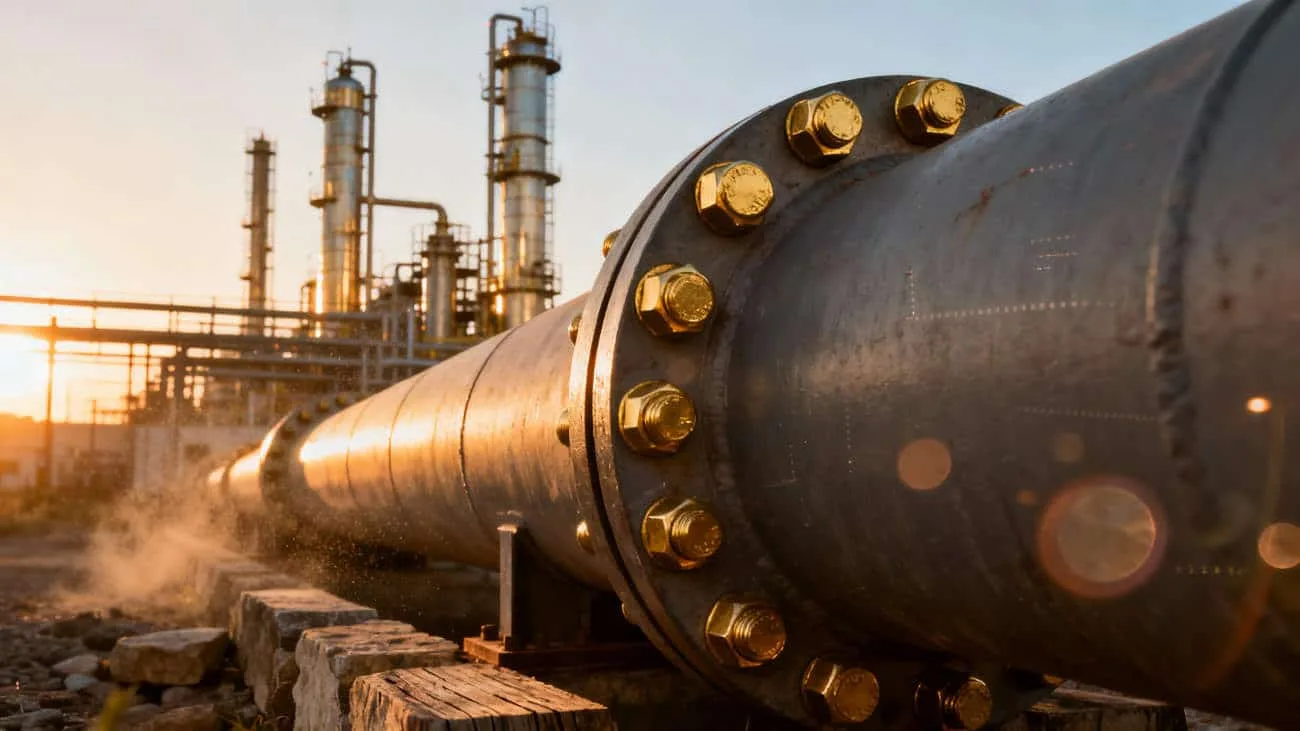
Environmental leaks are a major concern for refinery operators. These leaks are often called fugitive emissions. They happen when gases or liquids escape from equipment. This often occurs at the flanges—the places where two pipes meet.
Bolts are the unsung heroes of refinery safety. They provide the clamping force needed to keep seals tight. If the bolts are not tensioned correctly, the seal fails. When the seal fails, the environment suffers.
The Real Cost of Fugitive Emissions
Fugitive emissions are not just a technical problem. They are an environmental and financial burden. The Environmental Protection Agency (EPA) monitors these emissions closely. Refineries that fail to control leaks face massive fines.
Beyond fines, leaks waste valuable products. Every drop of leaking fluid is lost revenue. More importantly, these leaks can harm local air and water quality. Ensuring a leak-free environment is part of being a responsible neighbor in the community.
How Bolt Tensioning Works
Many people confuse torque with tension. They are related but different. Torque is the rotational force you apply to turn a nut. Tension is the actual pulling force that stretches the bolt.
When you tighten a bolt, it acts like a very stiff spring. You want to stretch the bolt just enough to create a permanent clamping force. This force squeezes the gasket between the flanges.
If you don’t stretch the bolt enough, the joint stays loose. If you stretch it too much, the bolt can break or deform. Proper bolt tensioning ensures the “spring” is set perfectly.
Why Precision Matters in a Refinery
Refineries deal with thermal cycling. Pipes get very hot when they are running and cool down during maintenance. Metal expands and contracts with these temperature changes.
A bolt that was tight at room temperature might become loose when the pipe reaches 500 degrees. Conversely, a bolt might become dangerously tight as the metal expands.
Engineers use specific calculations to determine the right tension. This prevents the gasket from “breathing.” A breathing gasket is one that allows small amounts of gas to escape during temperature shifts.
Choosing the Right Material Grade
You cannot use just any bolt in a refinery. The material must be able to withstand the specific chemicals and temperatures present. Using the wrong grade is a recipe for failure.
At Cyclone Bolt, we provide detailed Material Grade Guides to help you choose. For example, Grade B7 is common for high-temperature service. If you are dealing with corrosive environments, you might need stainless steel or high-nickel alloys.
Using the correct material ensures the bolt maintains its tension over time. If the metal corrodes, it loses its “spring” and the seal will eventually leak.
The Role of API 20E and 20F Standards
In the oil and gas world, standards are everything. The American Petroleum Institute (API) creates these rules to keep people and the environment safe.
-
API 20E: This standard covers alloy and carbon steel bolting. It is used for equipment in the petroleum and natural gas industries. You can find more about our compliance here: API 20E.
-
API 20F: This focuses on corrosion-resistant bolting. It ensures that bolts used in harsh environments won’t fail prematurely. See our details here: API 20F.
Following these standards is the first step in preventing leaks. They ensure that the bolts have the right chemical makeup and have been tested for strength.
The Importance of Friction and Coatings
Friction is the enemy of accurate tensioning. When you use a torque wrench, much of the energy is lost to friction between the nut and the bolt threads.
If the threads are dry or rusty, you might think the bolt is tight because the wrench clicked. In reality, the bolt might not be stretched at all. This is a common cause of refinery leaks.
Coatings solve this problem. They provide a consistent level of friction. This makes torque readings much more accurate. Popular coatings like Xylan or Zinc-Nickel also protect the bolt from rust.
You can explore different options in our Coating and Plating Technical Guide. A well-coated bolt is easier to tension correctly and easier to remove during the next shutdown.
Quality Management Systems
How do you know a bolt will perform as promised? You look at the manufacturer’s quality system. A refinery is only as safe as its weakest bolt.
We operate under strict quality guidelines. This includes the API Spec Q1 9th Edition, which is specifically designed for companies serving the oil and gas industry.
We also maintain ISO 9001:2015 Quality System Certificate certification. These systems ensure that every bolt we ship from our Houston facility meets the required specifications. This traceability is vital for refinery safety audits.
Best Practices for Bolt Tensioning
To prevent environmental leaks, refinery teams should follow a strict protocol:
-
Clean the Flanges: Ensure the surfaces are free of old gasket material and debris.
-
Inspect the Bolts: Look for nicks or rust on the threads.
-
Use Lubrication or Coatings: Ensure the friction is controlled for accurate tensioning.
-
Follow the Pattern: Tighten bolts in a “star” or “cross” pattern. This ensures the gasket is squeezed evenly.
-
Use Multiple Passes: Don’t tighten a bolt to 100% all at once. Go in stages—30%, 60%, and then 100%.
-
Verify Tension: Use hydraulic tensioners or calibrated torque wrenches.
According to the American Society of Mechanical Engineers (ASME), following standardized bolting procedures can reduce leak rates by over 80%.
The Human Element in Refineries
Technology and materials are important, but people do the work. Training maintenance crews on proper tensioning is essential. They need to understand that “tight enough” is not a scientific measurement.
Using hydraulic tensioning tools is often preferred over manual wrenches for large flanges. These tools pull the bolt directly. This eliminates the guesswork caused by friction. It ensures that every bolt on the flange has the exact same amount of tension.
Why Houston is the Fastener Hub
Cyclone Bolt is located in Houston, Texas. This puts us at the center of the global refining industry. We understand the local challenges. We know the heat of the Gulf Coast and the specific needs of the ship channel refineries.
Being local allows us to respond quickly. When a refinery has an emergency shutdown due to a leak, they cannot wait weeks for bolts. We provide the high-spec fasteners needed to get operations back online safely and quickly.
Environmental Stewardship Through Better Bolting
Every refinery aims for “Target Zero.” This means zero accidents and zero leaks. Achieving this goal requires attention to detail.
The bolts holding your pipes together might be small, but their role is massive. By using API-certified fasteners and following proper tensioning techniques, you protect your employees. You also protect the soil, air, and water around your facility.
Proper tensioning is not just a maintenance task. It is an environmental strategy. It is a commitment to safety and excellence.
Preventing Stress Corrosion Cracking
In some refinery environments, hydrogen or other chemicals can cause bolts to crack under tension. This is called Stress Corrosion Cracking (SCC).
If a bolt cracks, the tension drops instantly. The seal fails, and a leak begins. Preventing SCC requires choosing the right hardness levels and materials.
Our compliance with API 20E and 20F specifically addresses these risks. We ensure the bolts have the correct heat treatment. This makes them tough enough to hold tension without being so brittle that they crack under stress.
The Future of Smart Bolting
The industry is moving toward “smart” bolting systems. Some bolts now feature indicators that change color when the correct tension is reached. Others can be monitored with sensors to detect if they lose tension over time.
Until these technologies are universal, we rely on the proven combination of high-quality materials, expert coatings, and rigorous quality standards.
Recap of Bolt Tensioning and Leak Prevention
-
Fugitive Emissions: Leaks at the flange are a primary source of environmental pollution and regulatory fines.
-
Torque vs. Tension: Tension is the stretch that creates the seal; torque is just the tool used to get there.
-
Thermal Cycling: Bolts must be tensioned to handle the expansion and contraction of refinery pipes.
-
API Standards: Using API 20E and 20F certified fasteners ensures the material can handle the pressure.
-
Friction Control: Coatings and plating are essential for getting an accurate tension reading.
-
Quality Systems: Look for API Spec Q1 and ISO 9001:2015 certifications to ensure fastener reliability.
-
Maintenance Protocol: Use the star pattern and multiple passes to ensure an even squeeze on the gasket.
Secure Your Refinery with Cyclone Bolt
Preventing environmental leaks starts with the right hardware. At Cyclone Bolt, we specialize in the high-performance fasteners that refineries need to stay safe and compliant. Based in Houston, Texas, we provide the expertise and quality you can trust.
Don’t risk a leak. Contact us today to discuss your material needs or to get a quote on API-certified bolting for your next maintenance shutdown. Visit our website at Cyclone Bolt to learn more about our commitment to quality and environmental safety.