
Originally published 2025-12-03 · Cyclone Bolt
The Quiet Revolution Under the Hood
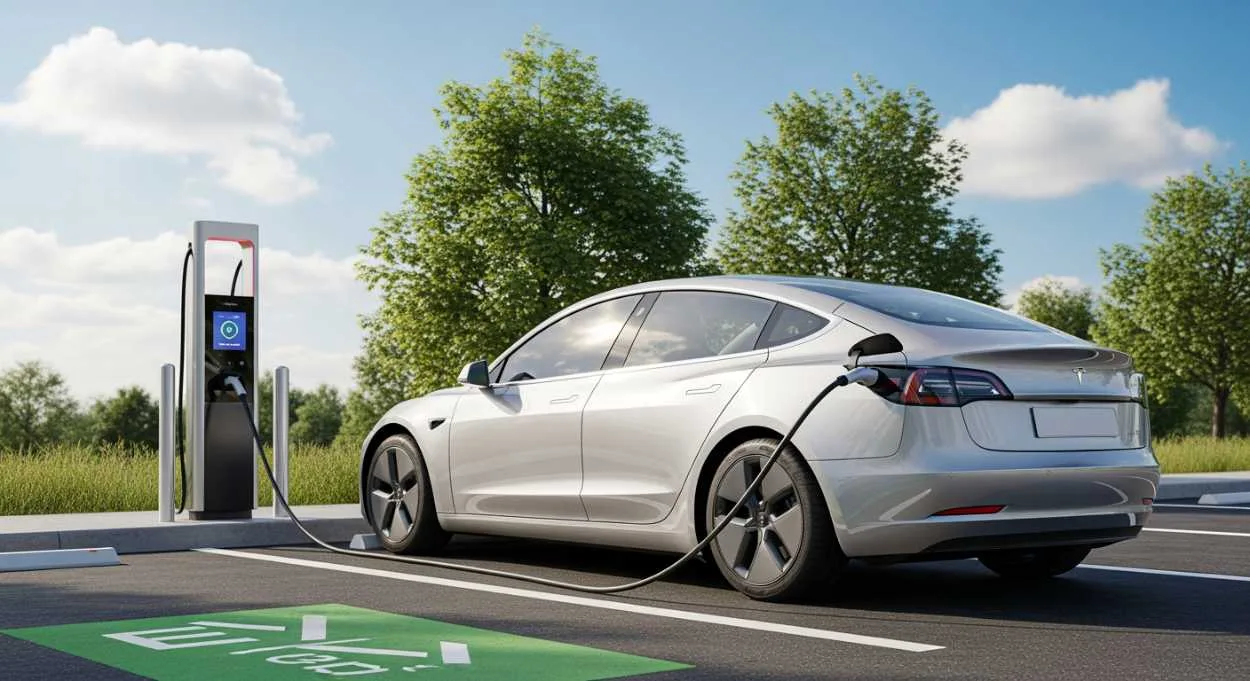
The automotive world is shifting gears. We are moving from the roar of Internal Combustion Engines (ICE) to the silent hum of Electric Vehicles (EVs). This transition gets a lot of press regarding batteries, range, and software. However, there is a critical component that often goes unnoticed.
It is the fastener.
You might think a bolt is just a bolt. But in the era of electrification, that logic no longer holds. The demands of an EV are radically different from a gas-powered car. This shift is rippling through the manufacturing supply chain. It is changing what engineers specify and what procurement managers buy.
At Cyclone Bolt, based in Houston, Texas, we see this evolution firsthand. We specialize in high-spec manufacturing. We understand that as technology advances, the hardware holding it together must advance, too.
This article explores how the EV revolution is reshaping the fastener industry and why precision manufacturing is more important than ever.
Quantity vs. Quality: The Volume Shift
There is a common misconception that EVs will kill the fastener industry.
The logic seems sound at first. A traditional gasoline engine and transmission have thousands of moving parts. An electric motor has very few. Fewer parts should mean fewer bolts, right?
Not exactly.
While the total count of standard fasteners might drop slightly per vehicle, the value and complexity of the fasteners are skyrocketing.
-
Battery Packs: These massive units require hundreds of specialized fasteners to secure cells, modules, and cooling plates.
-
Chassis Integration: The battery is heavy. It is part of the car’s structure. This requires high-strength, structural bolts to keep the vehicle rigid and safe.
-
Electronics: Inverters, converters, and sensors all need precision screws and fasteners that can withstand thermal expansion.
The market isn’t shrinking; it is specializing. The days of buying generic bolts by the pound are fading. The era of engineered fastening solutions is here.
The Drive for Lightweighting
Range anxiety is the biggest hurdle for EV adoption. To get more miles out of a battery, the car must be lighter.
In a gas car, a heavy steel bolt is fine. In an EV, every gram counts. This has triggered a massive shift in material selection. Engineers are moving away from heavy carbon steel and looking for alternatives.
New Material Trends Include:
-
Aluminum Alloys: much lighter than steel but requires specific engineering to maintain strength.
-
Titanium: The holy grail of strength-to-weight ratio, though expensive.
-
High-Strength Steel: Using a stronger grade allows you to use a smaller, lighter bolt without sacrificing safety.
This is where Cyclone Bolt excels. We don’t just stamp out standard iron. We are experts in exotic materials and specific alloy specifications. You can check our capabilities on our Materials Specifications Page.
The Conductivity Challenge
Electricity is the lifeblood of an EV. But electricity in the wrong place is a disaster.
Fasteners in an EV battery pack present a unique challenge. They need to hold the pack together, but they cannot create a short circuit. If a steel bolt bridges two cells, it could cause a fire.
This has created a demand for:
-
Insulated Coatings: Bolts coated with non-conductive materials.
-
Ceramic or Composite Fasteners: Non-metallic options for low-stress areas.
-
Grounding Fasteners: Specific bolts designed to conduct electricity safely to the chassis ground.
Manufacturing these requires strict quality control. The coating thickness must be exact. The material purity must be verified. This level of detail aligns perfectly with our ISO 9001:2015 Quality System Certificate certification.
Vibration and “NVH” (Noise, Vibration, Harshness)
Gas engines are loud. They vibrate. This ambient noise masks a lot of squeaks and rattles.
Electric motors are silent. If a bolt is slightly loose, the driver will hear it rattle. If a dashboard screw isn’t seated perfectly, it will squeak.
The “Silent” Standard: EV manufacturers have much tighter tolerances for “NVH.” This means fasteners must have:
-
Better Locking Mechanisms: To prevent loosening over time.
-
Higher Precision Threads: To ensure a tight, vibration-free fit.
-
Thread-Locking Patches: Applied during manufacturing to stop movement.
A standard bolt might have a tolerance of +/- 0.5mm. An EV fastener might need +/- 0.05mm. This is the difference between a satisfied customer and a warranty claim.
The Infrastructure Boom: Charging Stations
The EV revolution isn’t just about the cars. It is about the plugs.
Millions of charging stations are being built across the United States. These stations sit outside. They bake in the Texas sun. They freeze in the North Dakota winter. They get sprayed with salt water on the Florida coast.
Corrosion Resistance is Non-Negotiable. If the bolts on a charging station rust, the unit can fail. Worse, it becomes a safety hazard.
This infrastructure demands fasteners with exceptional environmental resistance. While we often associate API standards with oil and gas, the principles of API 20F (Corrosion Resistant Bolting) are directly applicable here.
Whether it is hot-dip galvanizing, zinc-nickel plating, or using stainless steel, the fasteners holding the grid together must last for decades.
Supply Chain Resilience
The automotive industry learned a hard lesson during the chip shortage. Relying on cheap, overseas suppliers is risky.
EV manufacturers are now “near-shoring” their supply chains. They want suppliers who are:
-
Domestic: Located in the USA to reduce shipping times and tariff risks.
-
Agile: Able to change specs quickly as designs evolve.
-
Certified: Able to prove quality with paperwork.
Cyclone Bolt is positioned perfectly for this. Located in Houston, we are in the industrial heart of America. We can source raw materials and manufacture finished goods without waiting for a container ship from across the ocean.
Why API Standards Matter for EVs
You might ask, “Why does an EV maker care about API (American Petroleum Institute) standards?”
It is a fair question. API standards are born from the most demanding environment on earth: oil extraction. High pressure. High heat. Corrosive chemicals. Extreme tension.
If a fastener can survive a subsea blowout preventer, it can survive an electric truck chassis.
API 20E (Alloy and Carbon Steel Bolting) dictates strict rules on:
-
Raw Material Testing: Knowing exactly what is in the steel.
-
Heat Treatment: Ensuring the bolt isn’t too brittle or too soft.
-
Traceability: Being able to trace every bolt back to the mill.
As EV manufacturers push for higher performance, they are adopting these rigorous standards. They cannot afford recalls. They need the certainty that Cyclone Bolt provides.
Cleanliness Requirements
In an internal combustion engine, a tiny metal shaving might get caught in a filter. In an EV battery pack, a tiny metal shaving causes a short circuit and a fire.
Technical Cleanliness is a major buzzword in the EV fastener space. Fasteners must be produced in clean environments. They must be washed and inspected to ensure zero debris. This requires a level of process control that standard “nut and bolt” shops simply do not have.
Our dedication to quality control ensures that our products meet the “technical cleanliness” specs required by modern high-tech assembly lines. You can meet the experts behind this process on our Quality and Tech Team page.
The Future is Fastened Securely
The transition to electric vehicles is exciting. It represents a leap forward in technology and sustainability. But no matter how advanced the battery is, or how smart the autopilot becomes, the vehicle still needs to be held together.
The fasteners of the future are not commodities. They are engineered components. They require advanced materials, precise manufacturing, and certified quality.
Cyclone Bolt is ready for this future. We have the certifications. We have the technology. We have the location.
Don’t let a ten-cent bolt be the reason your million-dollar project fails.
Ready to upgrade your supply chain? Whether you are building the cars of tomorrow or the infrastructure that powers them, Cyclone Bolt has the hardware you need.
Contact us today. Let’s build the future, one precise turn at a time.
Further Reading
-
International Energy Agency (IEA) – Global EV Outlook: A comprehensive analysis of the global electric vehicle market and trends.
-
SAE International: The leader in connecting and educating engineers while promoting, developing, and advancing aerospace, commercial vehicle, and automotive engineering.