
Originally published 2025-11-22 · Cyclone Bolt
The Non-Negotiable World of Pressure Containment
In the energy, petrochemical, and refining industries, pressure vessels are the backbone of operations. These massive, complex systems hold volatile substances. They operate at extreme temperatures and crushing pressures. Their safety is non-negotiable.
The reliability of these vessels rests entirely on the quality of their smallest components. We are talking about the fasteners.
Bolts, studs, and nuts hold these critical systems together. A single point of failure can lead to catastrophic damage. It can cause explosions, environmental disaster, and tragic loss of life.
There is a growing, hidden threat in the supply chain: counterfeit bolts.
These are fasteners that claim to meet high standards but fail to deliver. They are a ticking time bomb lurking within your most critical equipment. For companies operating here in Houston, Texas, where the energy sector demands the highest quality, this risk is unacceptable.
This article details the real dangers of untraceable, counterfeit bolting. We will explain why a certified Material Test Report (MTR) is your only defense.
What is a Counterfeit Bolt? Anatomy of a Failure
A counterfeit bolt is deceptive. It is not just a cheap product. It is a fraudulent product. It is intentionally misrepresented to look like a high-specification part.
The Illusion of Compliance
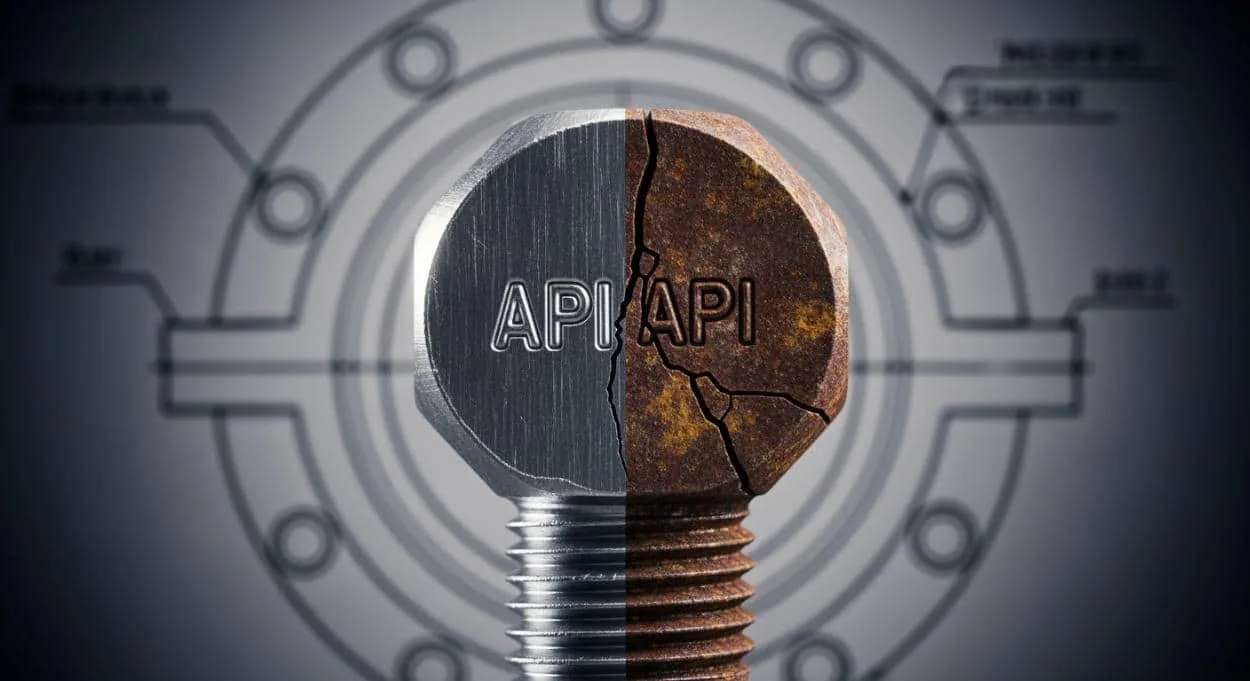
Counterfeiters are adept at mimicry. They often stamp bolts with false markings. These markings mimic legitimate standards like ASTM, ISO, or API. They look correct on a visual inspection.
However, the material underneath the false stamping is the problem. It is made from unknown, substandard, or repurposed scrap metal.
A bolt sold as “B7” (high-strength, high-temperature alloy steel) might actually be simple, low-grade carbon steel.
The false markings create an illusion of compliance. This tricks inspectors and procurement teams. The counterfeit part is installed right alongside legitimate fasteners. It creates a vulnerability that is invisible until it is too late.
Defining “Counterfeit” in the Fastener World
For critical applications, a fastener is deemed counterfeit if:
-
It carries fraudulent or inaccurate Material Test Report (MTR) documentation.
-
It is marked with a specification or grade it does not actually meet (e.g., stamping API 20E when the material is unverified).
-
Its manufacturing origin or heat lot is untraceable.
Essentially, if you cannot verify the bolt’s chemical composition and mechanical properties against a verifiable test report, it is an unacceptable risk. It should be treated as a counterfeit.
The Catastrophic Stakes of Pressure Vessel Failure
Pressure vessels are designed with specific safety margins. These margins account for the maximum stress, temperature, and corrosion they will face.
The fasteners are integral to maintaining the integrity of the pressure boundary. They must withstand constant tension and dynamic loads.
Brittle Fracture and Creep Failure
A genuine, high-specification bolt is engineered to resist specific failure modes:
-
Brittle Fracture: This is sudden, catastrophic failure without warning. It occurs when a substandard bolt is exposed to extremely low temperatures or high-impact stress. Counterfeit bolts often lack the necessary toughness (low-temperature resistance) required by standards like API 20E, making them highly susceptible.
-
Creep Failure: This is a slow, time-dependent deformation. It occurs when bolts are held at high temperatures over long periods. Counterfeit materials often lack the specific alloying elements (like chromium and molybdenum) required to resist creep. The bolt slowly stretches, leading to loss of joint preload and eventual rupture of the vessel seal.
Even a single counterfeit bolt in a critical flange can initiate a leak. This leak can rapidly turn into a rupture. This risk is why industries rely on stringent standards. You can read more about industrial safety and hazard prevention on the Occupational Safety and Health Administration (OSHA) website.
The Golden Ticket: Why the Certified MTR is Non-Negotiable
The Material Test Report (MTR) is not optional paperwork. It is the final, certified proof of the fastener’s identity and fitness for service. It is your only legal and technical defense against the counterfeit threat.
What is an MTR?
An MTR is a formal document provided by the original material manufacturer. It certifies that the material was produced, tested, and inspected according to specific technical standards (e.g., ASTM A193, API 20E).
A complete MTR must provide detailed traceability back to the original heat lot.
The Three Pillars of MTR Traceability
The MTR verifies the three technical pillars necessary for critical service bolting:
1. Chemical Composition
The MTR lists the exact percentage of every alloy element. This is crucial for verifying the grade.
-
Example: If a bolt is specified for sour service (H2S environment), the MTR proves the material meets NACE standards for hardness and alloy content. This prevents Sulfide Stress Cracking (SSC), a major failure mode in oil and gas.
2. Mechanical Properties
The MTR reports the results of physical testing performed on the material.
-
Yield Strength and Tensile Strength: These define the bolt’s breaking point and its ability to maintain joint preload. A counterfeit bolt may advertise 125,000 psi tensile strength but only deliver 80,000 psi.
-
Hardness: This ensures the material is not too brittle. It also helps guarantee corrosion resistance.
3. Heat Treatment Documentation
Heat treatment (e.g., quenching and tempering) is what gives alloy bolts their strength. The MTR certifies that the material was treated at the correct temperatures for the specified duration. Untreated counterfeit material will never achieve the required strength, regardless of its chemistry.
Why Simple Lot Numbers are Not Enough
A counterfeit bolt may have a lot number. This lot number is meaningless without a corresponding, verifiable MTR issued by the original mill or a certified manufacturer. True traceability requires a direct link from the bolt’s stamp (the heat lot number) back to the original MTR on file at the supplier.
If a supplier cannot provide this direct link, the fastener is untraceable, non-compliant, and must be rejected.
The Manufacturing Mandates: API 20E & 20F Explained
For the most critical applications in the oil and gas industry—precisely where pressure vessels operate—compliance is governed by two key American Petroleum Institute (API) standards. Cyclone Bolt strictly adheres to these mandates.
API 20E: Defining Bolting Specification Levels (BSL)
API 20E, “Alloy and Carbon Steel Bolting for Use in the Petroleum and Natural Gas Industries,” sets a tiered approach to quality. It moves beyond simple ASTM grades.
-
BSL-1 (Basic): Standard quality assurance. Suitable for non-critical, low-risk service.
-
BSL-2 (Standard): Enhanced controls, more rigorous testing, and inspection. Suitable for standard process applications.
-
BSL-3 (Severe): The highest level of control. This is required for critical pressure vessel flanges. BSL-3 demands:
-
Specific chemical composition limits.
-
Mandatory impact testing (Charpy V-notch).
-
Enhanced non-destructive testing (NDT).
-
A documented quality plan specific to the heat lot.
-
The MTR for a BSL-3 fastener must prove that all these rigorous manufacturing and testing steps were completed. A counterfeit bolt can never meet BSL-3, as the documentation and physical testing are too complex to fake convincingly.
API 20F: The Corrosion-Resistant Requirement
API 20F, “Corrosion-Resistant Bolting for Use in the Petroleum and Natural Gas Industries,” addresses bolting in environments that require stainless steel, duplex, or nickel-based alloys (e.g., Inconel).
-
Critical Environments: Bolting in subsea, high-salinity, or sour service applications cannot use standard alloy steel. The MTR must verify the specific corrosion-resistant alloy, such as Duplex 2205 or Inconel 718.
-
Manufacturing Control: This standard requires strict control over hot working and cold working. Incorrect processing can lead to microstructural defects, which dramatically reduce corrosion resistance. The MTR confirms that these critical steps were performed correctly.
By adhering to API 20E and 20F, a supplier guarantees that the Material Test Report represents a product engineered and verified for extreme performance. This is the foundation of preventing catastrophic failure.
Cyclone Bolt’s Quality Management: Houston’s Standard
A true solution to the counterfeit threat requires a supplier built on an uncompromising quality management system (QMS). Cyclone Bolt, located in the heart of the energy corridor in Houston, Texas, meets this standard through multiple layered certifications.
API Spec Q1 and ISO 9001:2015
Cyclone Bolt operates under the most stringent quality standards in the world:
-
API Specification Q1 (9th Edition): This is the gold standard for the oil and gas industry. It requires comprehensive process control, documented risk assessment, and mandatory contingency planning. Q1 ensures traceability is built into every step of manufacturing, not just added at the end.
-
ISO 9001:2015: This complements Q1 by ensuring a universally recognized framework for continuous improvement and customer satisfaction.
These certifications prove that Cyclone Bolt’s facility, processes, and documentation are audited and verified by independent, third-party certification bodies. This institutional rigor makes counterfeit products impossible within their supply chain.
Full MTR Traceability
The core service provided by a certified supplier is guaranteed traceability.
-
Document Linkage: Every fastener leaving the Cyclone Bolt facility, especially those for critical applications, is stamped with a unique heat number. This number links directly to the MTR.
-
Immediate Verification: Customers can immediately verify the chemical composition, mechanical properties, and compliance status simply by checking the MTR against the bolt’s stamp. This instant verification eliminates the risk of counterfeit materials.
Choosing a certified Houston-based supplier means choosing a partner who understands the high stakes of the local energy industry. The demands of Houston’s petrochemical facilities set the global bar for safety and quality.
Five Immediate Risks of Using Untraceable Fasteners
Using uncertified, untraceable, or counterfeit fasteners introduces immediate and unacceptable risks.
-
Safety Catastrophe: Failure in a pressure vessel can lead to explosions, toxic chemical release, and fatalities. The potential cost of a single incident dwarfs any savings from using cheap bolts.
-
Regulatory Non-Compliance: Regulations like API 20E and ASME Pressure Vessel Codes mandate the use of certified materials. Using uncertified bolts instantly puts your operation in violation, risking heavy fines and shutdowns.
-
Insurance and Liability Issues: In the event of a failure, if it is proven that untraceable or counterfeit bolts were used, insurance claims may be denied. Your company will face massive liability and litigation.
-
Premature Maintenance and Downtime: Substandard materials degrade much faster under stress and corrosion. This forces costly, unscheduled shutdowns and premature replacement of entire systems, drastically increasing operational expenditure.
-
Loss of Design Integrity: Pressure vessels are designed based on the known, guaranteed yield strength of specified materials. When a counterfeit bolt fails to meet this minimum strength, the entire structural integrity of the joint is compromised, rendering the original engineering design moot.
Protecting Your Investment: Get What You Paid For
In the critical world of pressure vessel repair and construction, there is no place for cutting corners. The cost difference between a certified API 20E BSL-3 bolt and a counterfeit is negligible compared to the cost of a failed vessel.
You are not just buying a piece of metal. You are buying guaranteed performance, certified safety, and legal compliance. That value is only proven by a certified Material Test Report.
Protect your assets. Protect your people. Demand full transparency and traceability from your supplier.
Get what you paid for. We provide full MTR traceability with every order. Contact us for a secure quote.